ET monogram

Sheet 01 · Product case study · Personal concept · 2026

When the bank goes quietA Revolut outage case study

On 20 October 2026 Revolut went down for most of a working day. The outage wasn't their fault. The silence inside the app was a design choice.

The proposal: an outage mode. The app says what's broken, what still works, and that your money is safe.

PlanResearchSynthesizeDesignBuild

The solution at a glance

Outage mode, in three screens

Home, lock screen and support chat. The full story, from what I saw to my sketches to the hi-fi screens, is further down.

Jump to the screens ↓

Research · my own account

My 20 October

Revolut has been my bank since 2022. When I moved from Italy to Slovenia I couldn't keep my account, so I chose to open a new one. I started on Premium, then moved up to Metal.

So on 20 October I wasn't a casual user. I lost a lunch break, and a little of my trust, because nothing in the app told me what was happening.
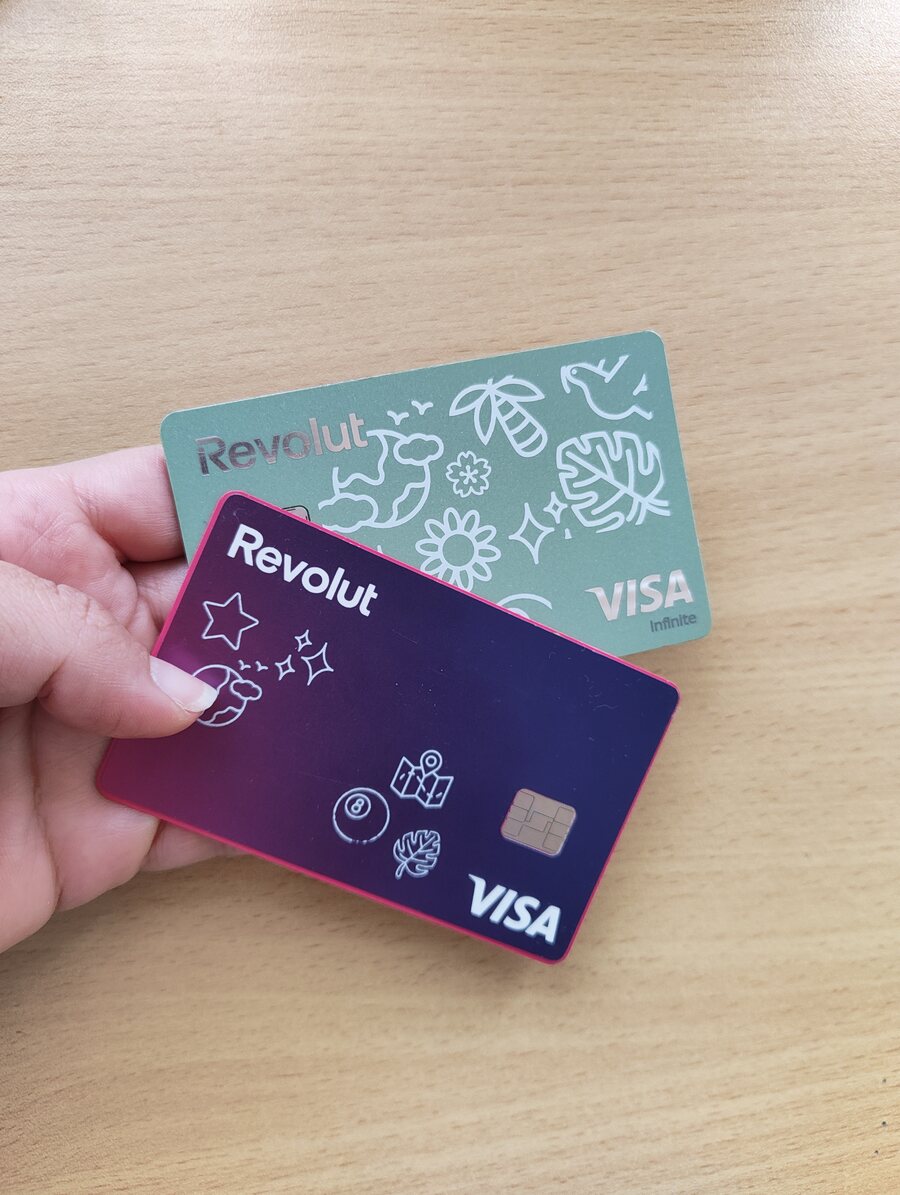
Ebru's hand holding two Revolut Visa cards, a sage green one and a dark purple one, over a wooden desk
Viewport 0. My own cards. Customer since 2022.
  1. 01The tillI tried to pay about €2 at the supermarket. Declined, then declined again. No warning in the app.
  2. 02The ATMI thought cash might work. That failed too, and again there was no notification.
  3. 03The favourI went back to work and borrowed money from a colleague, which I'd rather not have done.
  4. 04The searchAt my computer I found out what was going on from Reddit, not from Revolut.
  5. 05The help chatIt looked like it was trying to help, but it was down too, and the app didn't say so.
  6. 06The emailAn explanation finally came by email, later. In an app where everything happens in the app, I expected to hear it there.

On Reddit I read about people on holiday with no backup at all. I know it wasn't Revolut's fault, but a bank isn't a chocolate company. When you trust them with your money, the silence is what hurts.
Research · public record

What happened

A Google Cloud failure in the London region (europe-west2) hit Revolut from about 07:00 UTC. Revolut announced services were restored in an update reported at 17:52 UTC, so the outage lasted up to roughly 10 to 11 hours.

WhatDetailSource
Features downLogin, card payments (physical cards in shops too), transfers, cash withdrawals, exchange, trading, live chatFinance Magnates, ITV, BleepingComputer
Scale28 services listed as partially unavailable; 1,500+ Downdetector reportsBleepingComputer, ITV
RegionsUK, Ireland, France, Spain, Romania, GreeceFinance Magnates, Greek City Times
In the appA generic "Something went wrong" messageGreek City Times, Finance Magnates
Where Revolut spokeX: "all our customers' money and data are safe"; no fix timeframe givenAll four
Status pageShowed disruption in some reports, still "operational" in oneBleepingComputer vs Greek City Times
CompensationNone reportedAll four

The cause was outside Revolut. The experience of the cause was not.

Synthesize

Where the experience broke

Five silent moments turned a technical failure into a trust failure.

RankMomentWhat I gotWhat I needed
P0Card declined at the tillNo push, no reason"Revolut is having problems. It's not your card or your balance."
P0ATM refusedSilence againTo know that cash was down too, before I walked there
P0Opening the app"Something went wrong"What is down, what still works, and that my money is safe
P1Asking for helpA chat that seemed to work but didn'tAn honest "Support is affected too. Here's what we know."
P1The explanationAn email, hours laterThe same message in the app, where everything else happens

Problem statement. Revolut customers rely on the app for everyday money, often with no second bank card. When a service fails, they can't tell what is broken, whether their money is safe, or what to do next. So they retry, walk to ATMs, contact support that can't answer, and leave with less trust.

Design

Outage mode

One idea runs through every proposal: when Revolut is broken, the app says so first, in the app, in plain words.

During

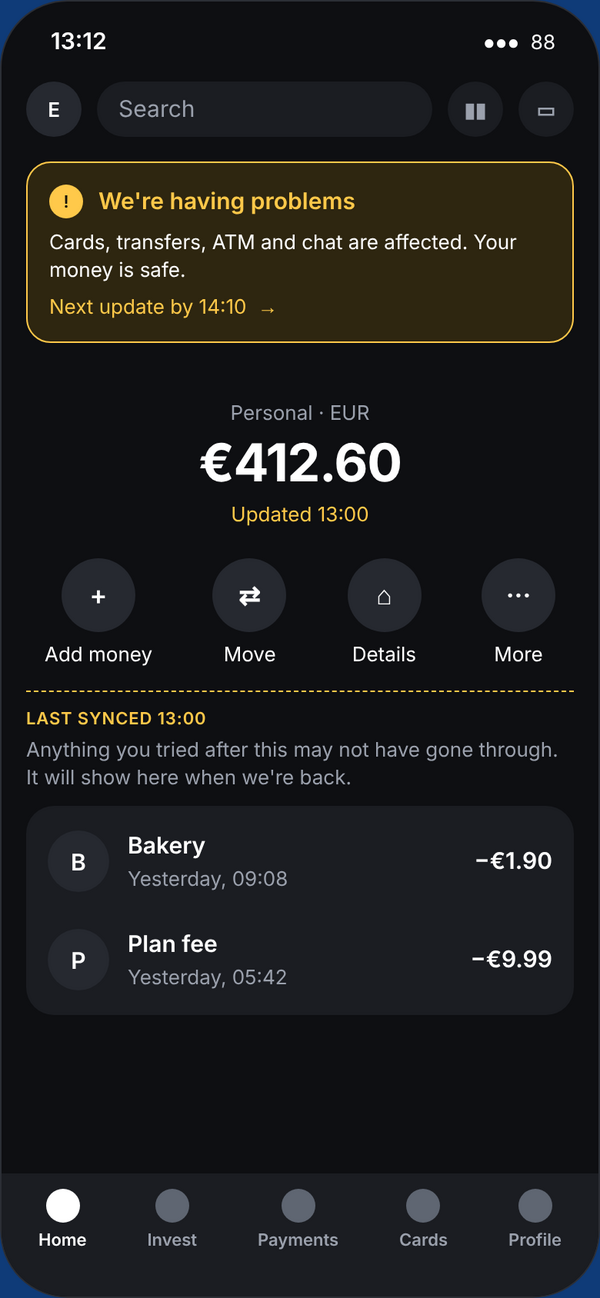
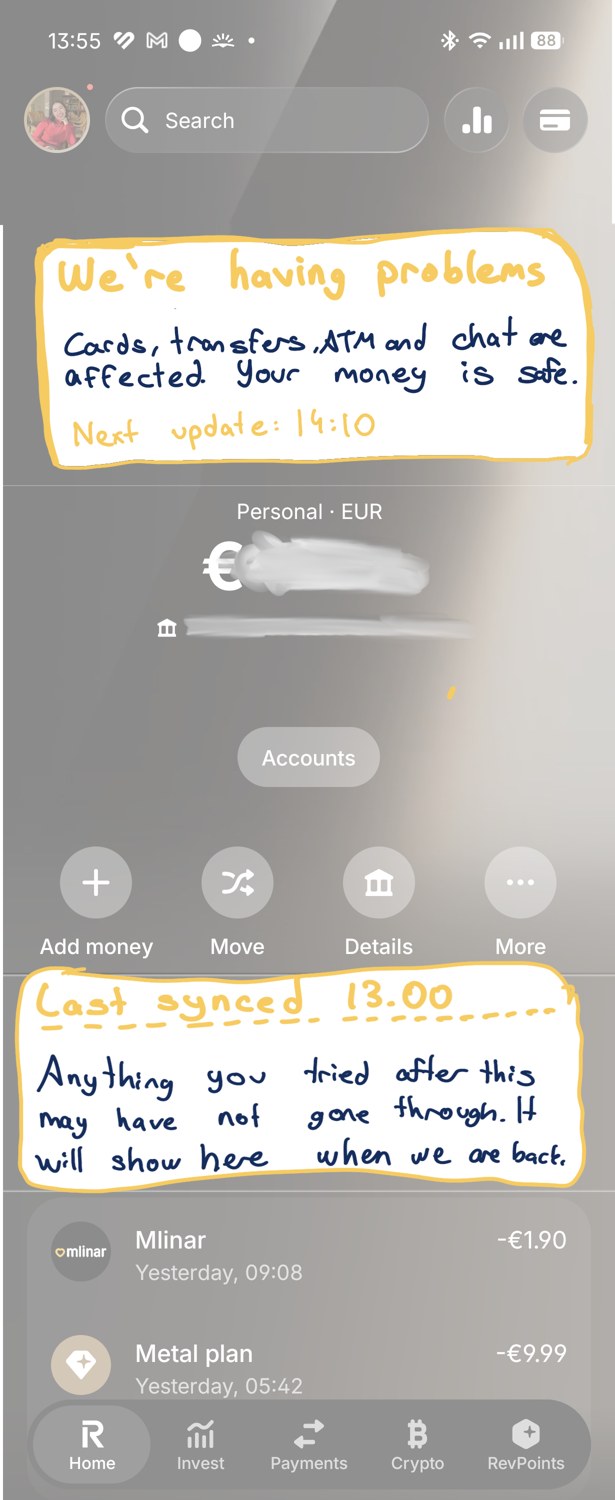
  1. An honest banner on the home screen. It replaces "Something went wrong" with what is down, what still works, "Your money is safe" and "Next update by 10:30". Tapping it opens a live incident page.
  2. Last known balance and a sync line. During an outage the app can't know about a payment that just failed, so it doesn't pretend to. It shows the cached balance and transactions up to the last sync, then draws a line: "Last synced 07:42. Anything you tried after this may not have gone through."
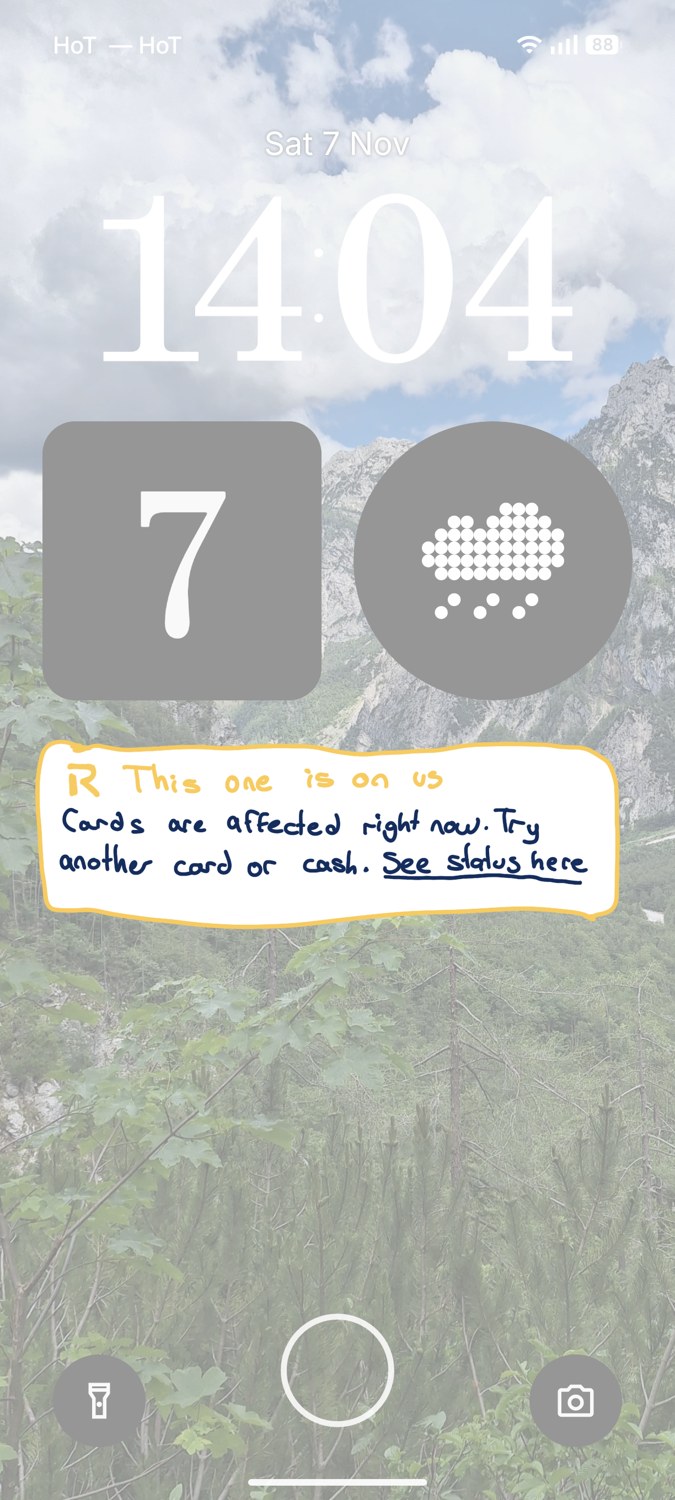
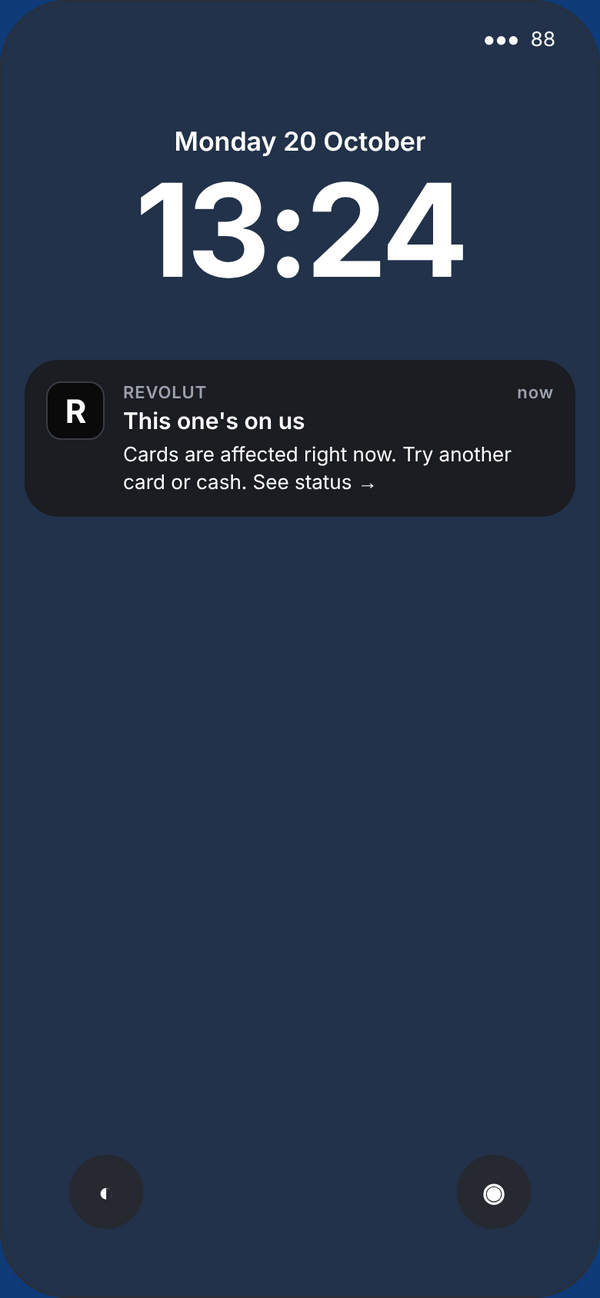
  3. A push at the moment of decline. "This one's on us. Cards are affected right now. Try another card or cash; ATMs are affected too."
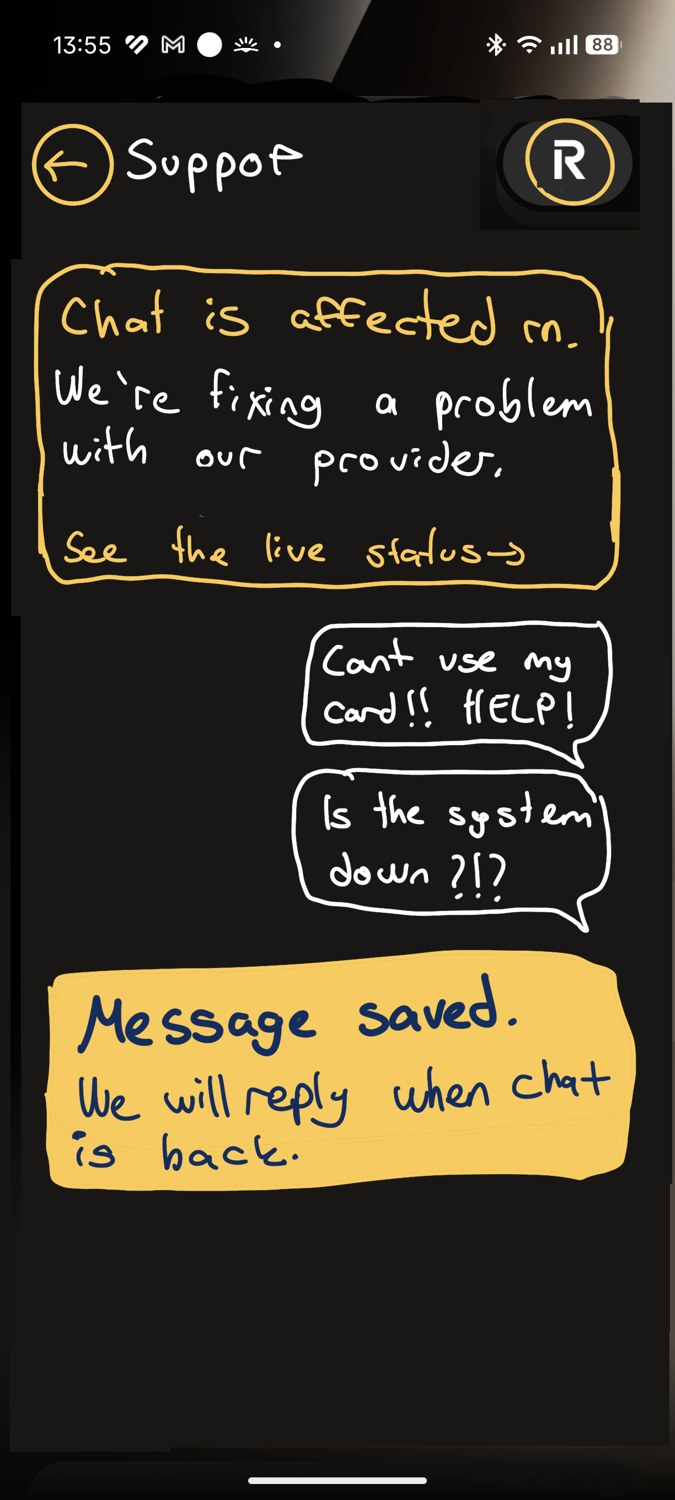
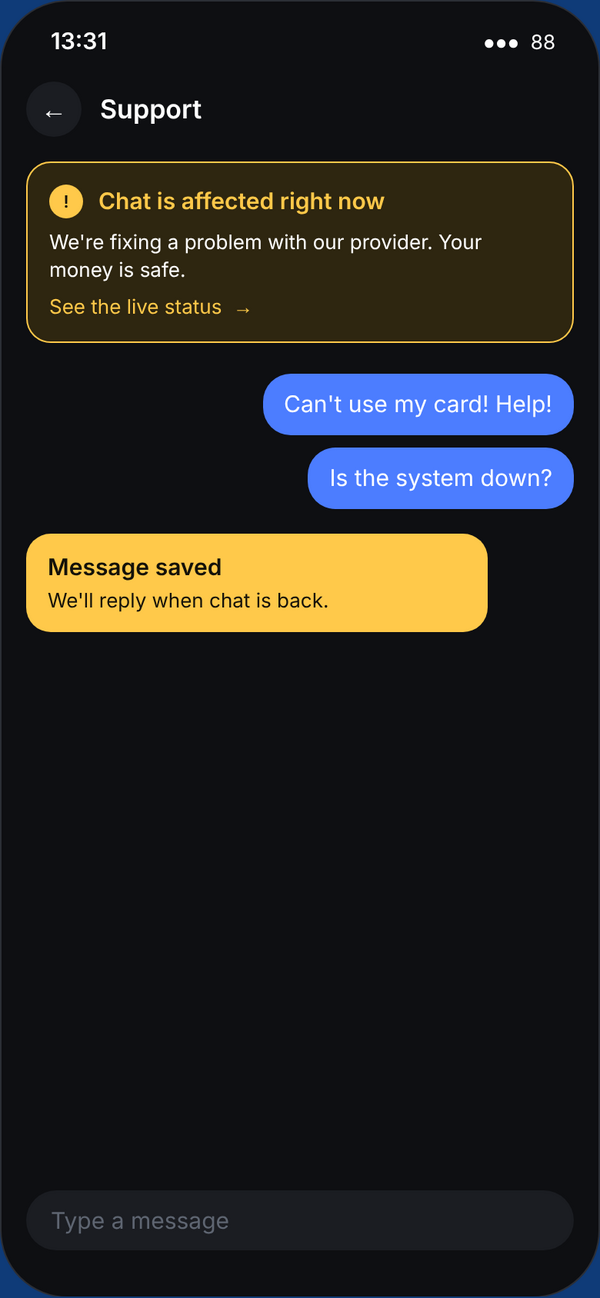
  4. Honest support. When chat is affected, the help screen says so and shows the incident page. Requests are queued: "We'll reply when chat is back."

After

  1. A personal summary in the app, not only by email: "During the outage, 2 card payments were declined and 1 transfer was delayed. Here is the status of each."

Before

  1. A light backup nudge. A one-time tip: "Add a backup card to your wallet for days when any bank has problems." It matters most for customers abroad.

From what I saw, to my sketch, to hi-fi

Sketches and ideas by me, drawn in Procreate over my own screenshots. Hi-fi screens built in Figma by Claude from my sketches.

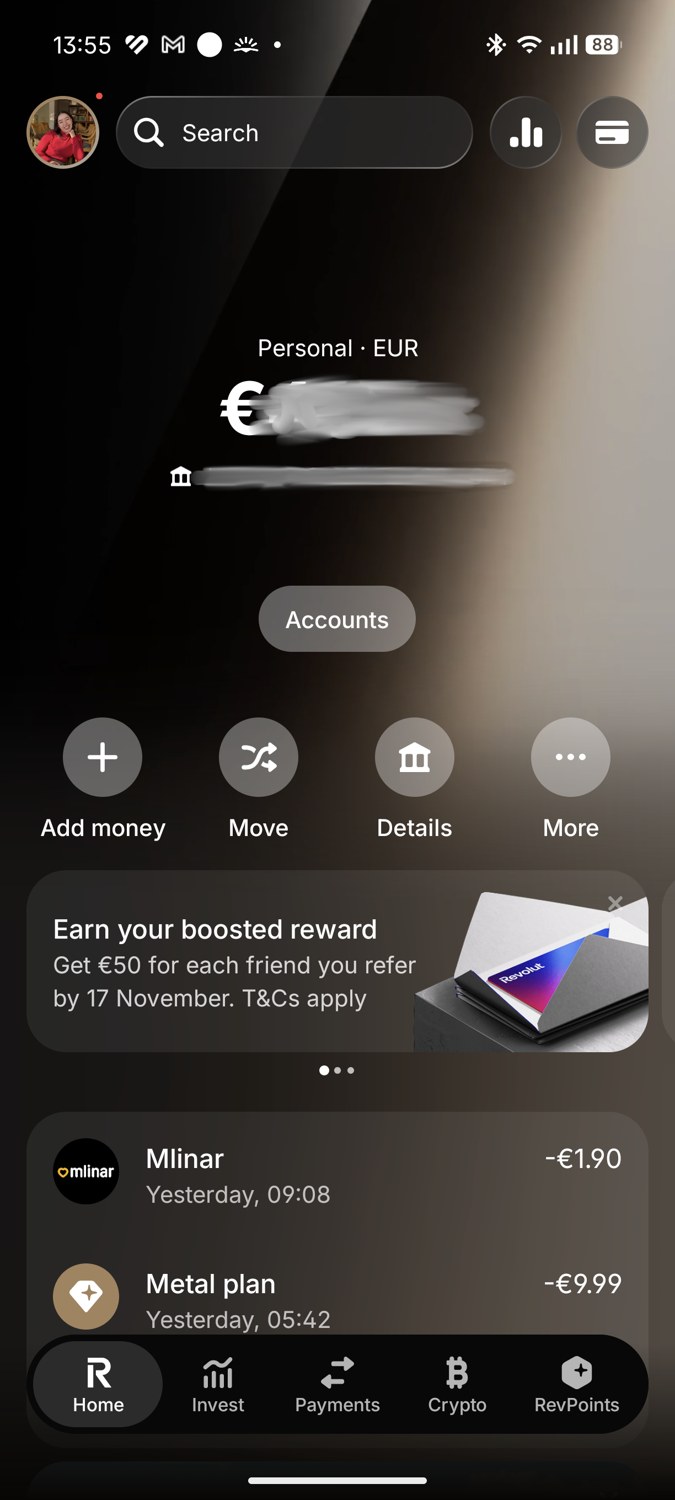
1 · Home screen

My real home screen, balance hidden.
How it was. My real home screen, balance hidden.
Banner on top, sync line above the transactions.
My sketch. Banner on top, sync line above the transactions.
Built in Figma by Claude.
Hi-fi. Built in Figma by Claude.

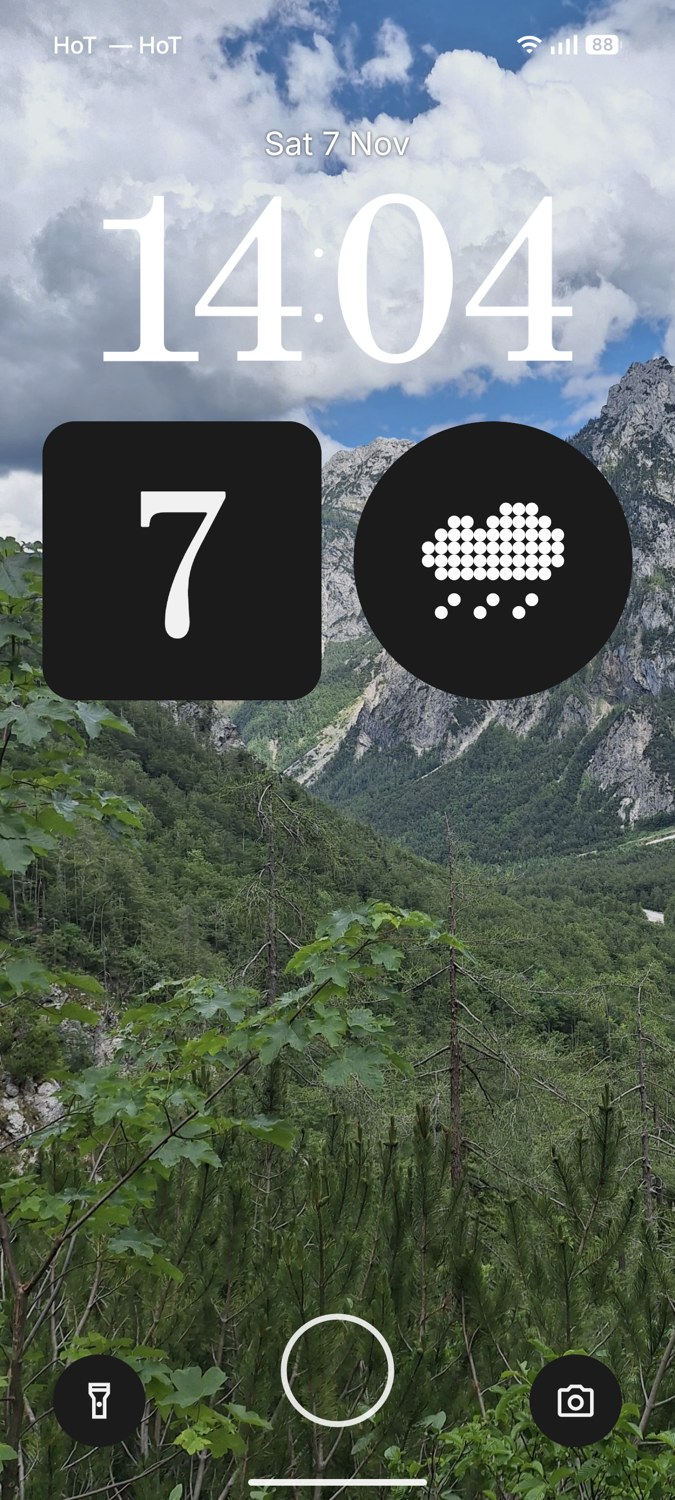
2 · Lock screen at the till

No notification at all.
How it was. No notification at all.
My sketch. "This one is on us", then what to do.
Built in Figma by Claude.
Hi-fi. Built in Figma by Claude.

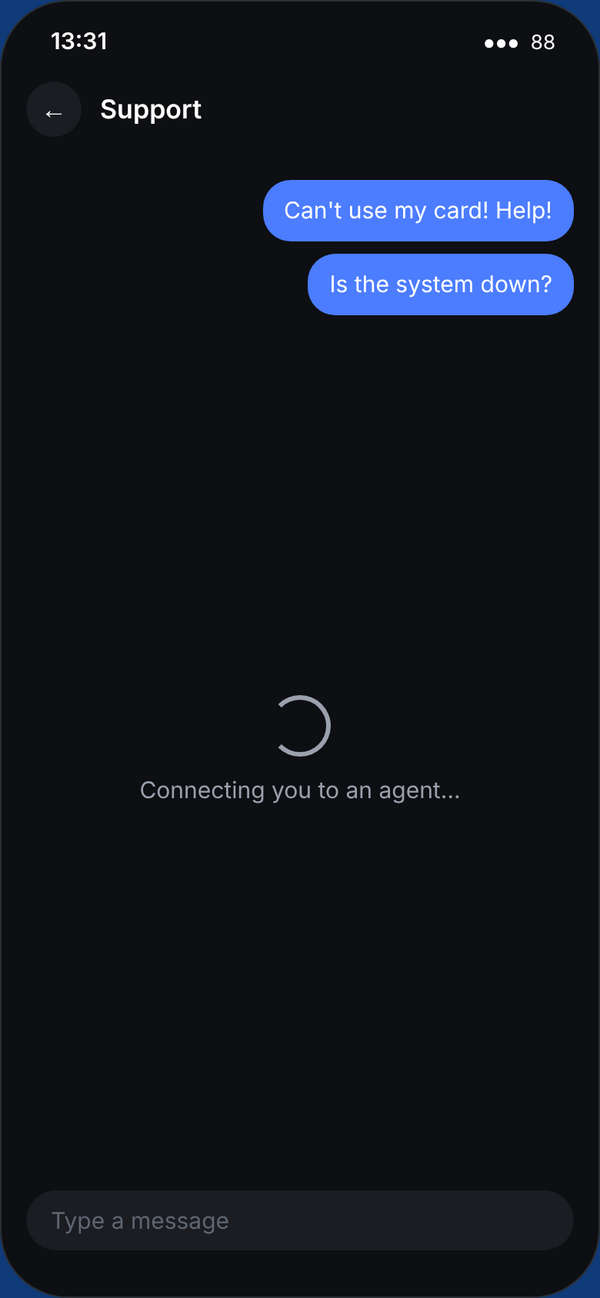
3 · Support chat

Redrawn, because the app blocks screenshots of chat.
How it was. Redrawn, because the app blocks screenshots of chat.
Chat says it is affected; the message is saved.
My sketch. Chat says it is affected; the message is saved.
Built in Figma by Claude.
Hi-fi. Built in Figma by Claude.

And after the outage: besides the apology email, I'd show a short personal summary in the app, listing what happened to each payment that failed.

Technical notes

  • The banner can't depend on the systems that are down. It needs a light status feed, hosted apart from the core banking stack, that the app checks on launch.
  • A cached balance needs a clear timestamp and must never look live.
  • The decline push needs payments to tell an outage decline apart from a balance or fraud decline. If that signal is down too, the push comes from the status feed.

Plan · measure

How we'd know it worked

The north star is trust after the incident: affected customers stay, and still use Revolut as their main card.

MetricWhy it mattersDirection
Repeat attempts after an outage declineRetries mean people don't know why it failed↓ Down
Support contacts during an incidentAn honest banner answers the question before chat↓ Down
Customers who open the banner or incident pageShows the message reached people in the app↑ Up
App store rating and review sentiment in the week afterThe public trust signal→ Steady
30-day churn and card spend of affected customersThe real cost of lost trust= Unaffected

Since outages are rare, I'd test it first in planned maintenance windows and smaller partial incidents.

General notes

Sources and limits

My own story is one data point, so I checked it against 22 public accounts before designing. The three screens go from what I saw, to my sketch, to a hi-fi version. This is a personal concept, not affiliated with Revolut.