ET monogram

Sheet 04 · Master's thesis · Politecnico di Milano · 2025

Feeling at Home in the CityAn emotional map of Ljubljana's streets

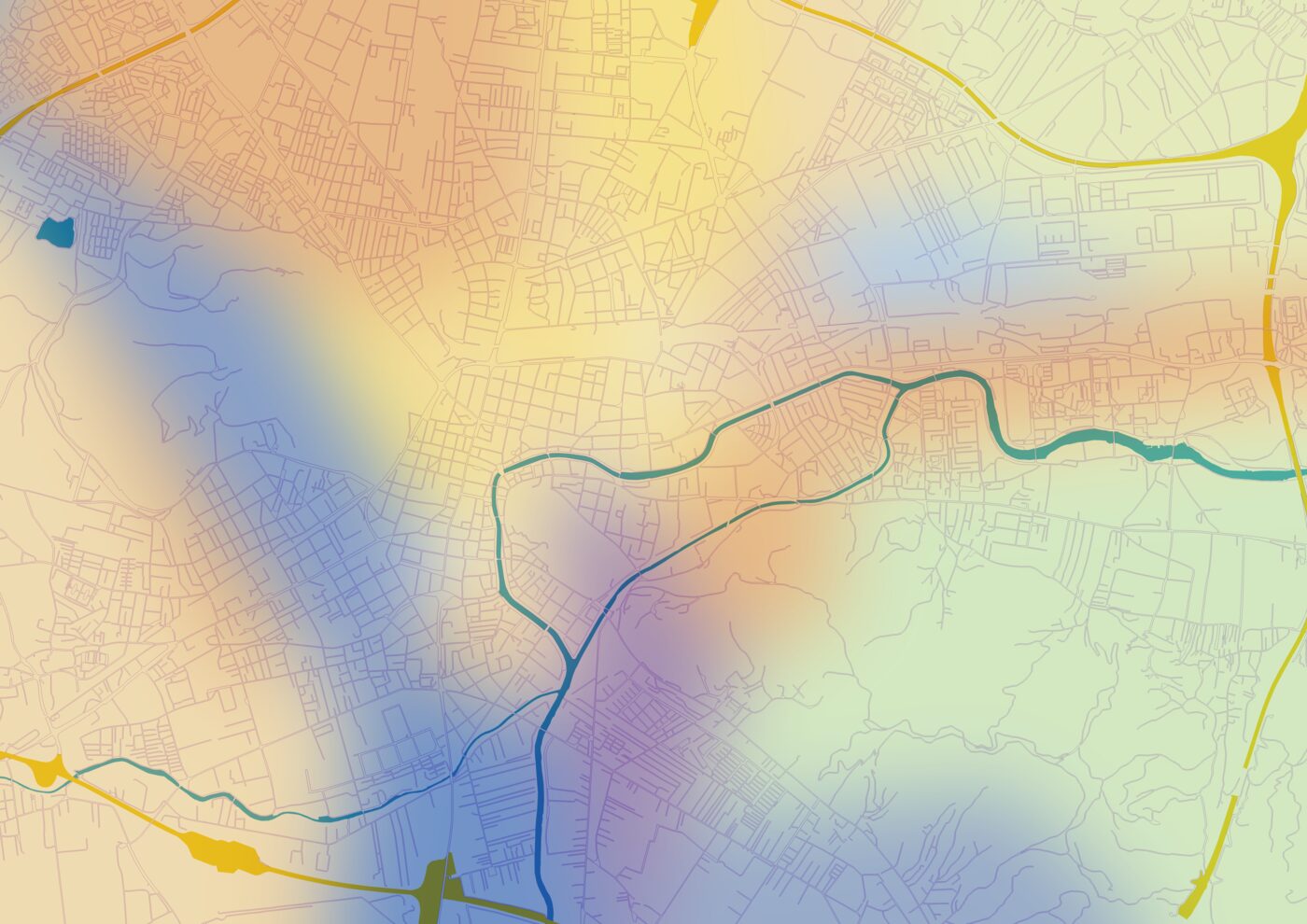
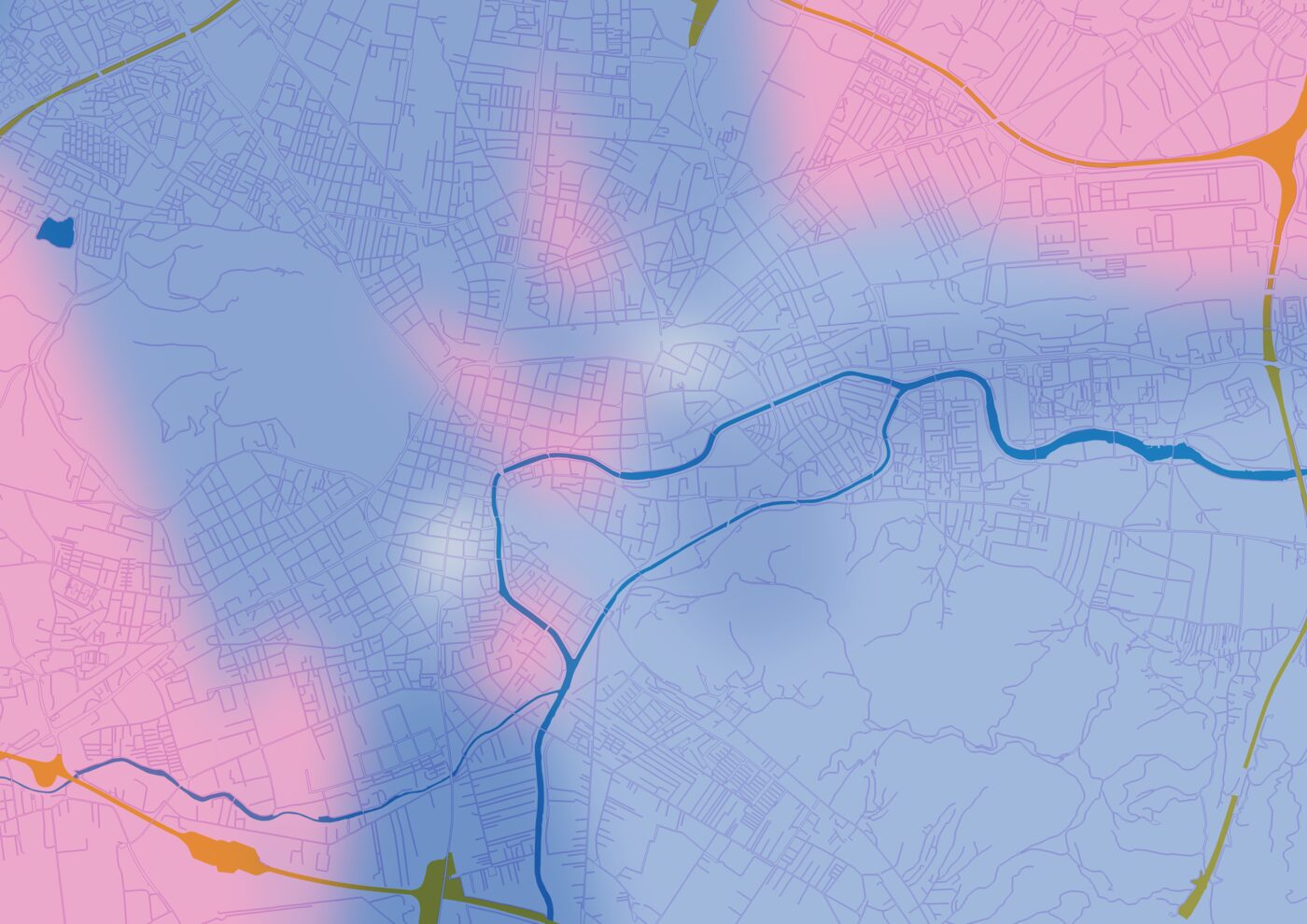
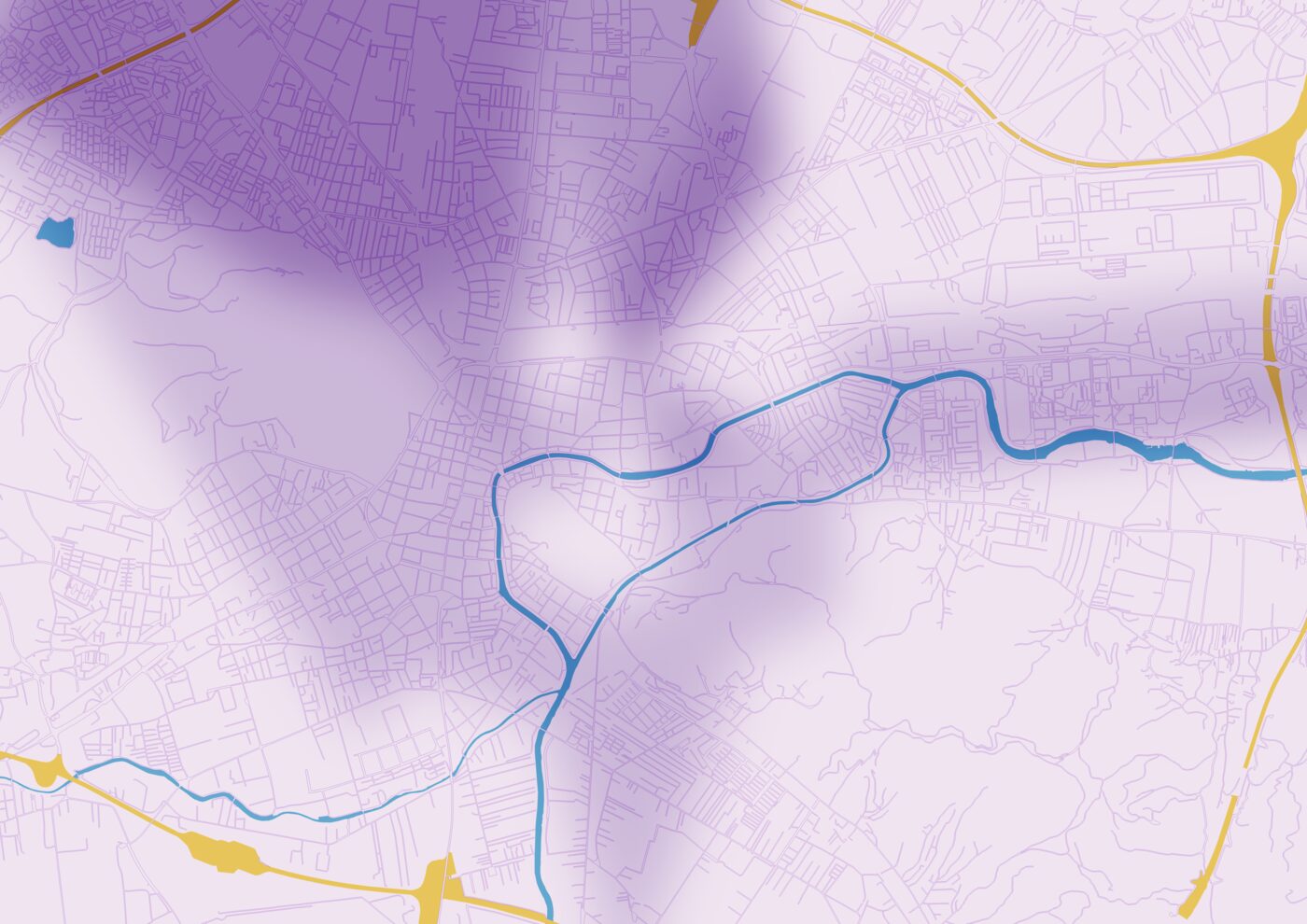
What makes a city feel like home? I built a research app that asked people how they felt, in the moment, in Ljubljana's streets.

"Public space is not a static backdrop." From my thesis

PlanResearchSynthesizeDesignBuild

Plan

Why an app, for an architecture thesis

A typical thesis would have designed a building or a square. I wanted to know how people already experience the city before proposing anything, and a one-time survey can't catch how a feeling changes from day to day. So I used the Experience Sampling Method (ESM): short, repeated check-ins in people's own surroundings, tagged with their location.

  1. Tell us about you: a one-time survey on age, gender, occupation and how long people have lived in Ljubljana.
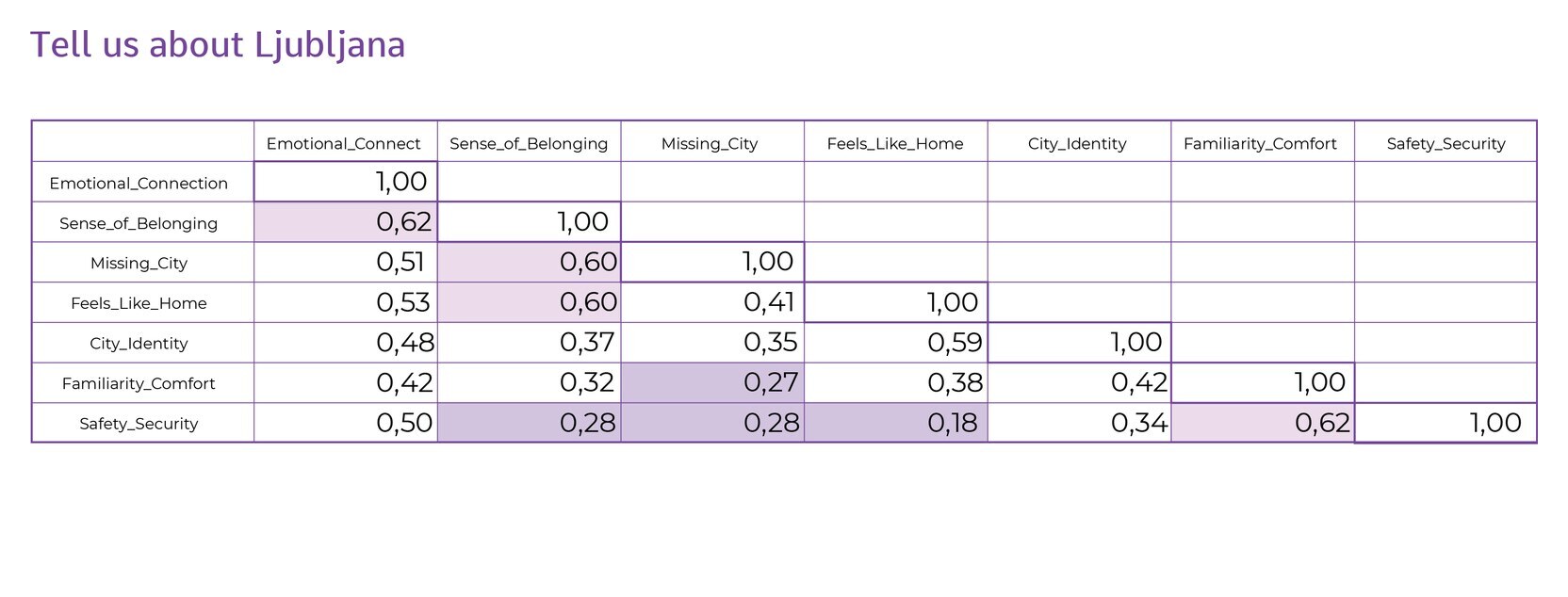
  2. Tell us about Ljubljana: a one-time survey rating belonging, identity, comfort, safety and whether the city feels like home.
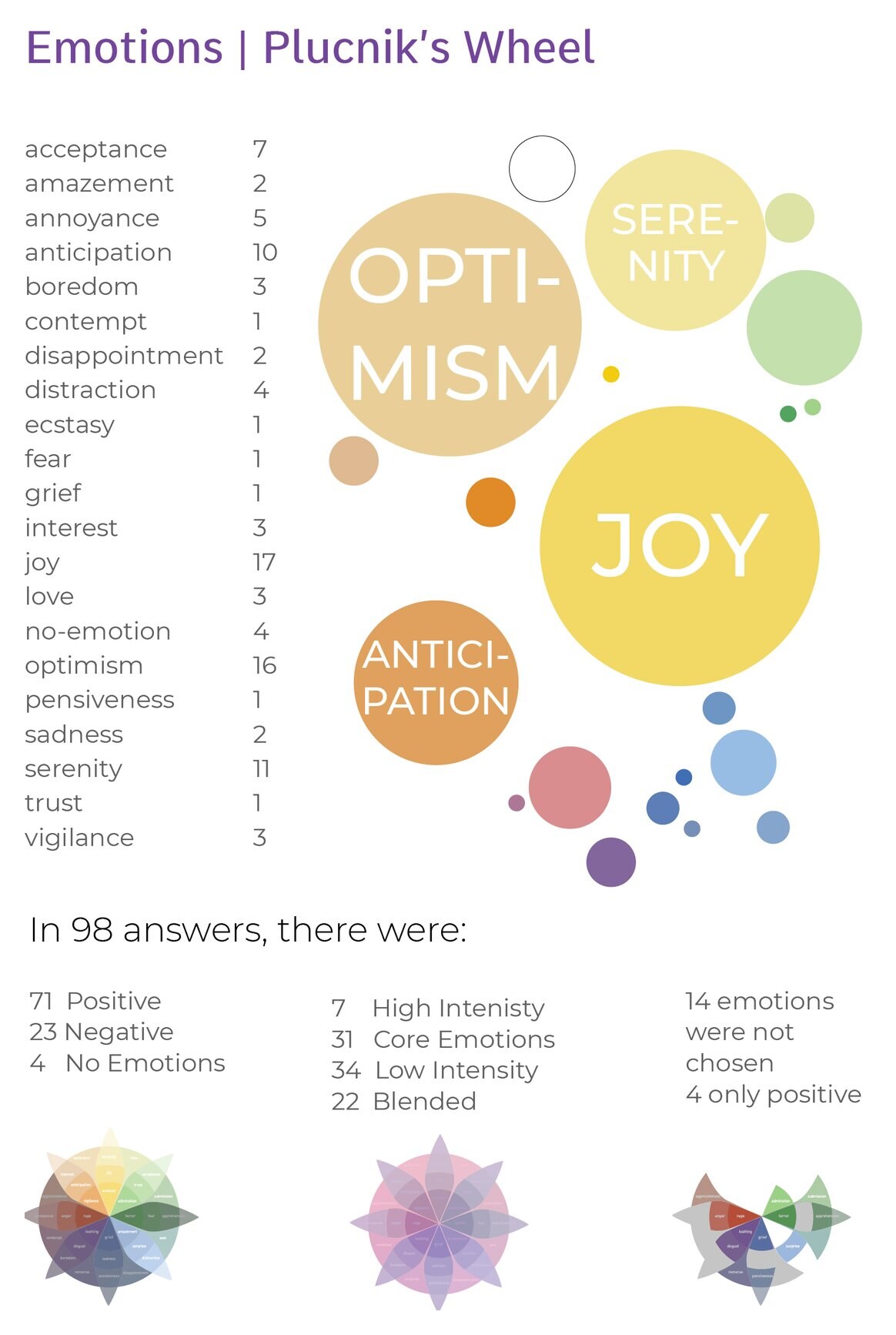
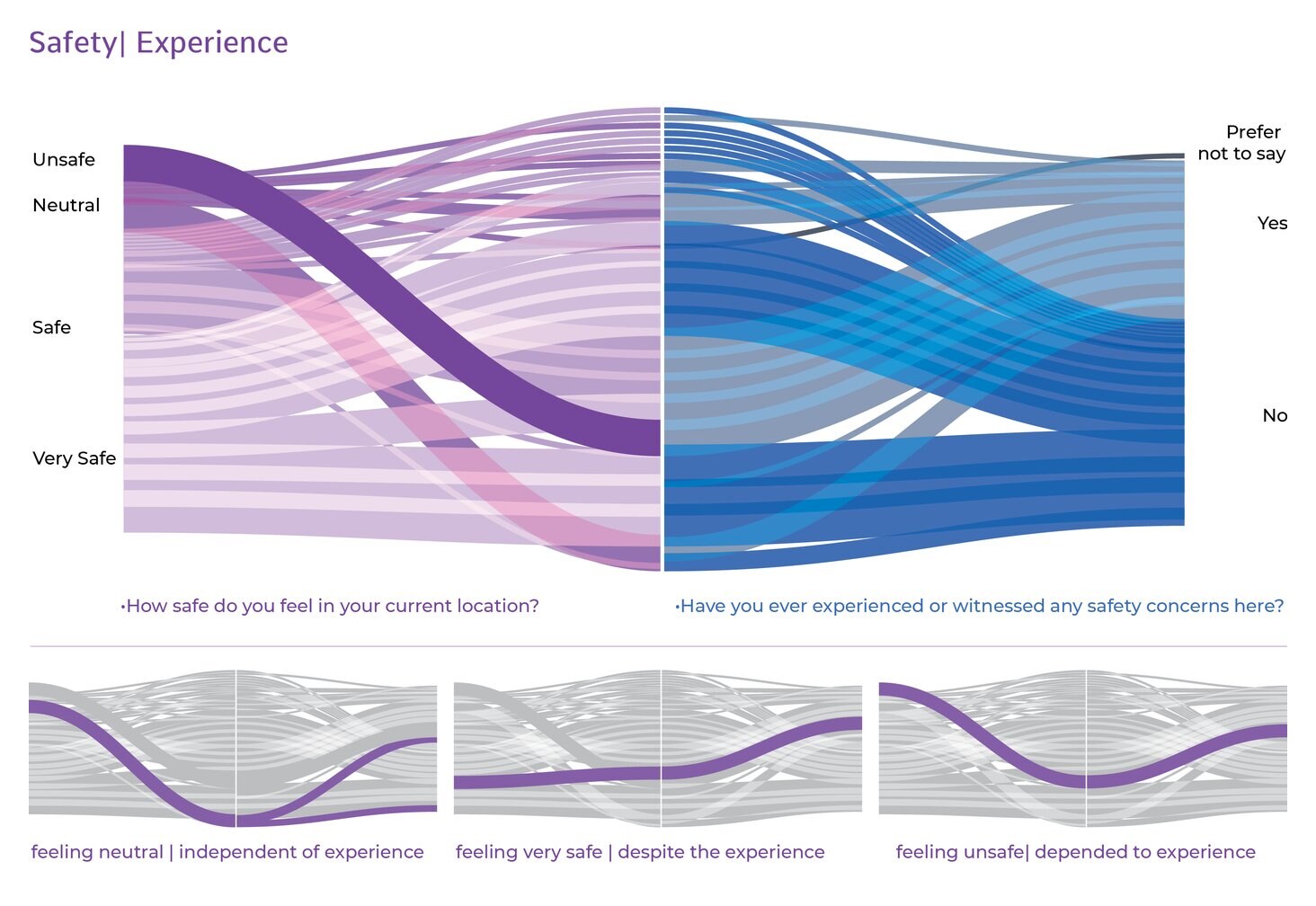
  3. Repeated check-ins: pick an emotion from Plutchik's wheel ("no emotion" is a valid answer), then answer three safety questions: how safe do you feel here, have you experienced or witnessed safety concerns here, and might people of a different gender feel differently?

To keep people coming back, the app keeps a streak, and an illustrated city grows each time someone takes part.
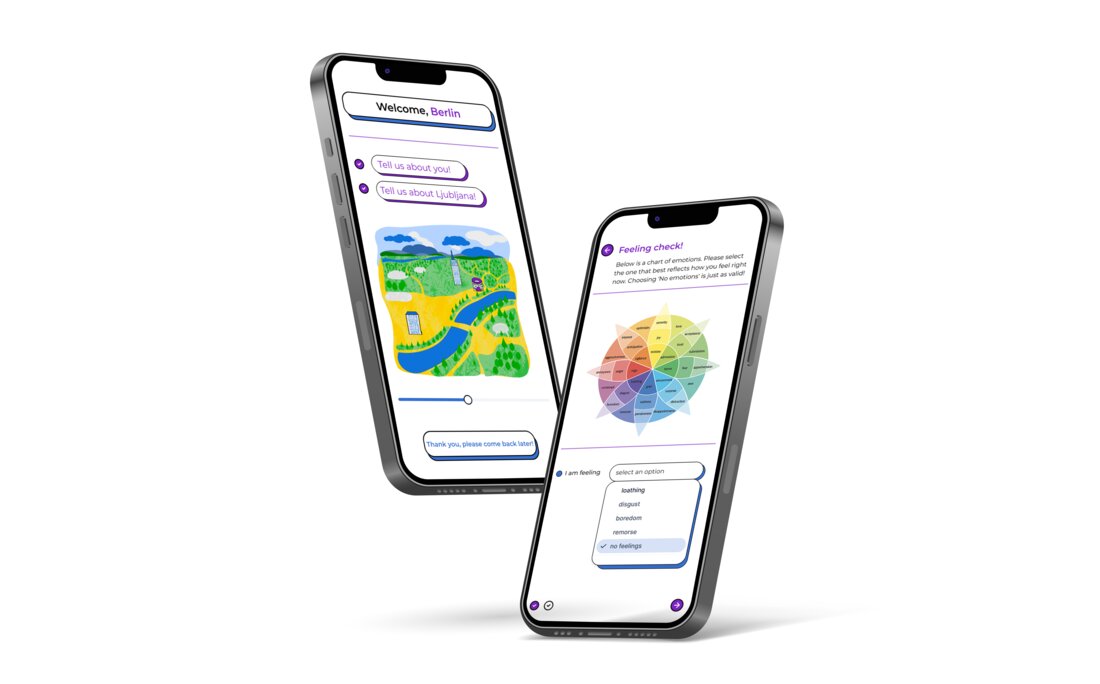
Two phone screens: a welcome screen with an illustrated map of Ljubljana, and a feeling check with an emotion wheel
Viewport A. The welcome screen with the growing city, and the daily feeling check.

Research

Who took part

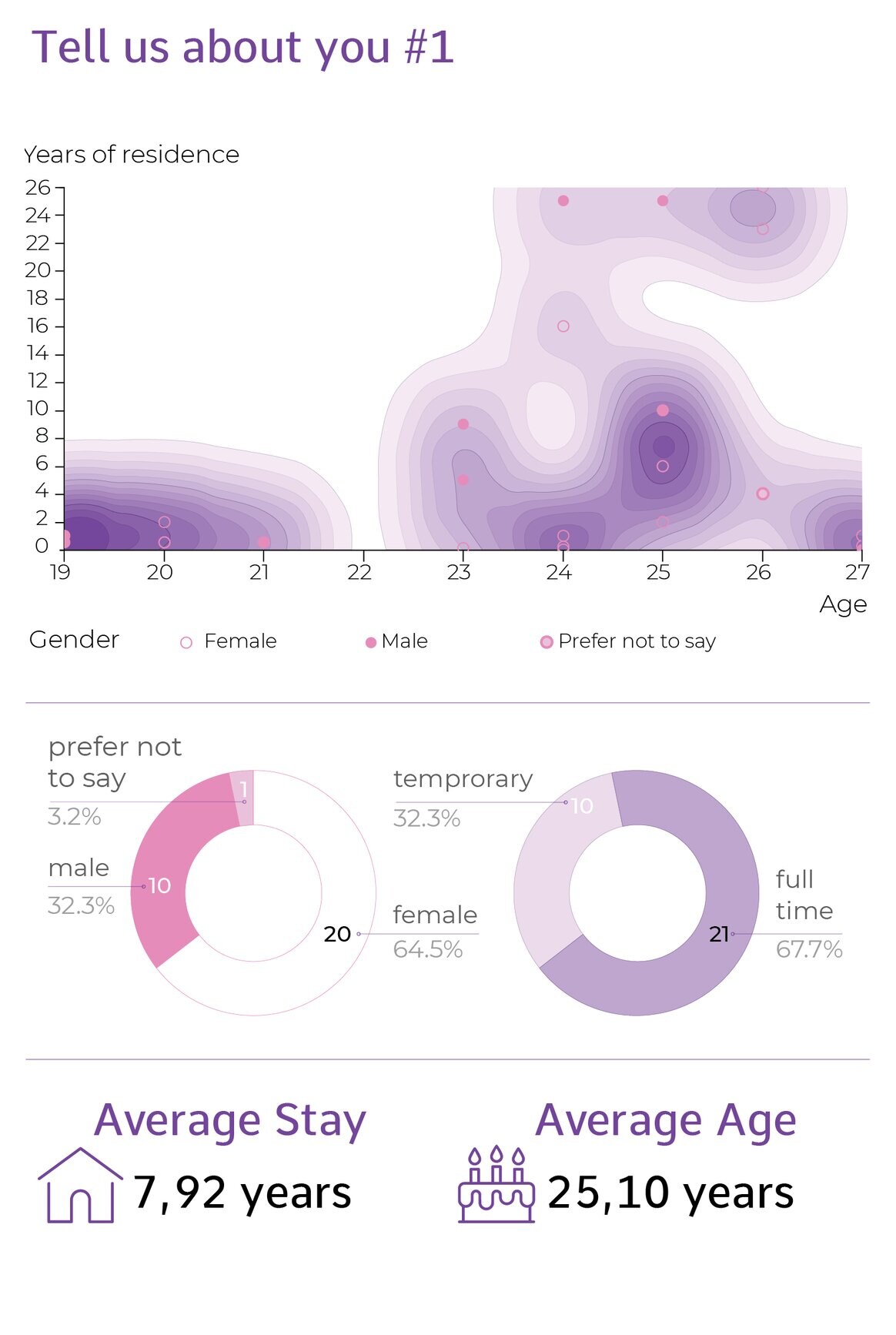
31 people took part and gave 98 responses with location data. Most were university students, from 11 different backgrounds: 20 women, 10 men and 1 who preferred not to say. 21 live in Ljubljana full time and 10 were there temporarily. On average they were 25 years old and had lived in the city for almost 8 years.

Charts of participants' age against years of residence, gender split and full-time versus temporary residents, with average stay 7.92 years and average age 25.10
Viewport B. Age, years in the city, gender, and full-time or temporary.
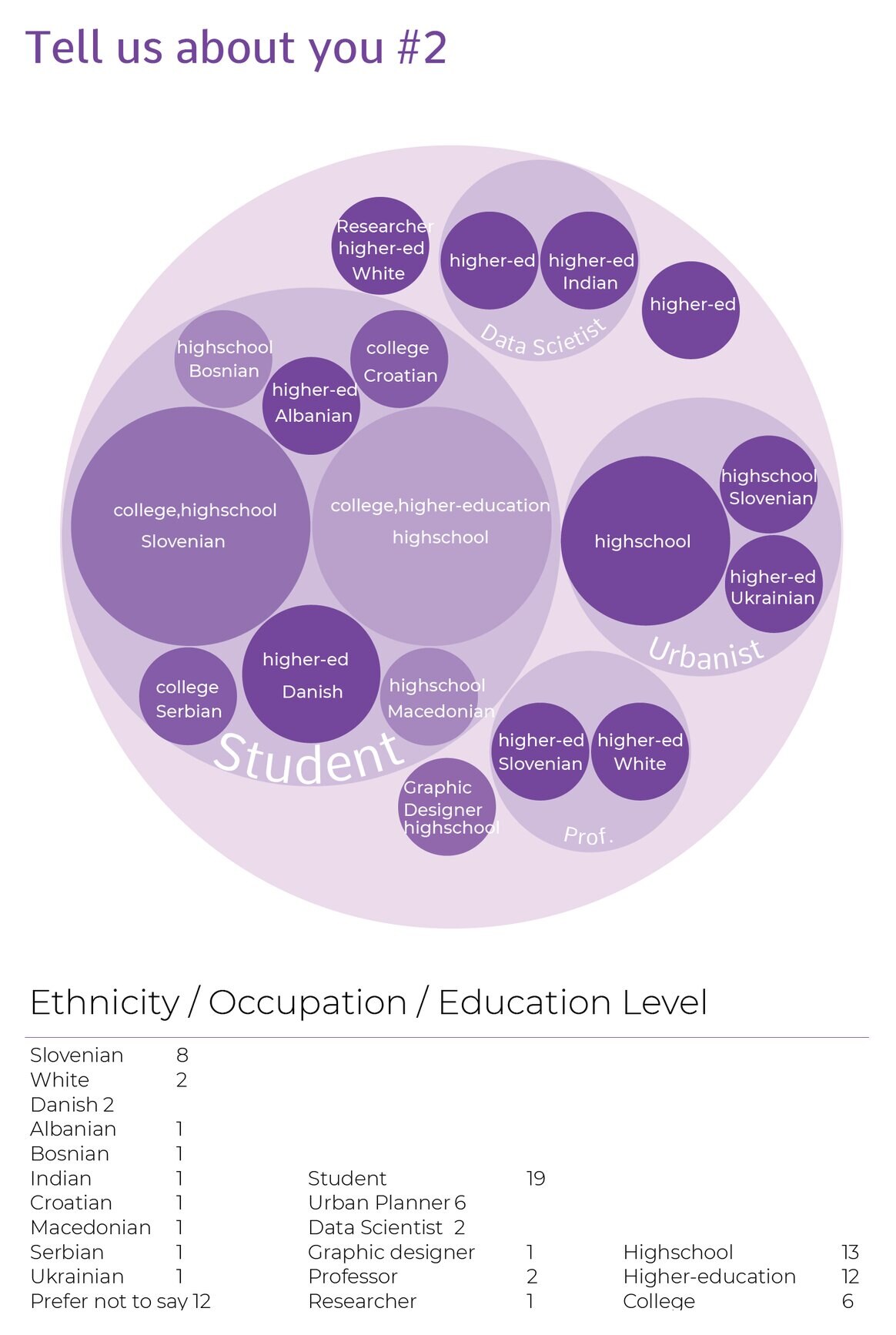
Bubble chart of participants grouped by occupation, with education level and ethnicity inside each group
Viewport C. Occupation, education and background. 19 of 31 were students.

Limit, in my thesis's words: the sample does not represent a broader demographic. It is young and mostly students, so these are counts, not proof.

Synthesize

Who feels safe, and who feels at home

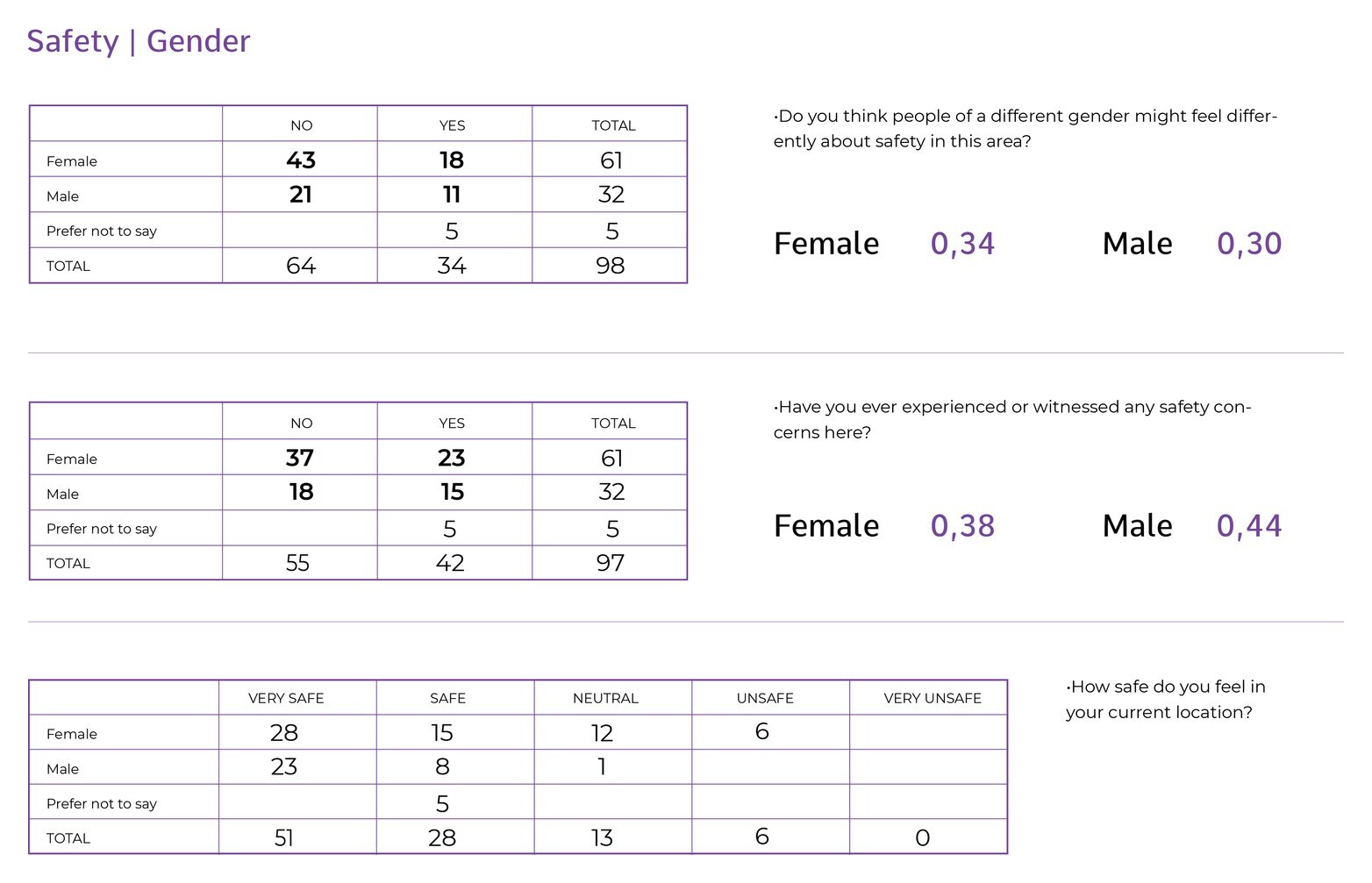
  • 23 of 32responses from men said "very safe". Women chose "neutral" or "unsafe" more often.
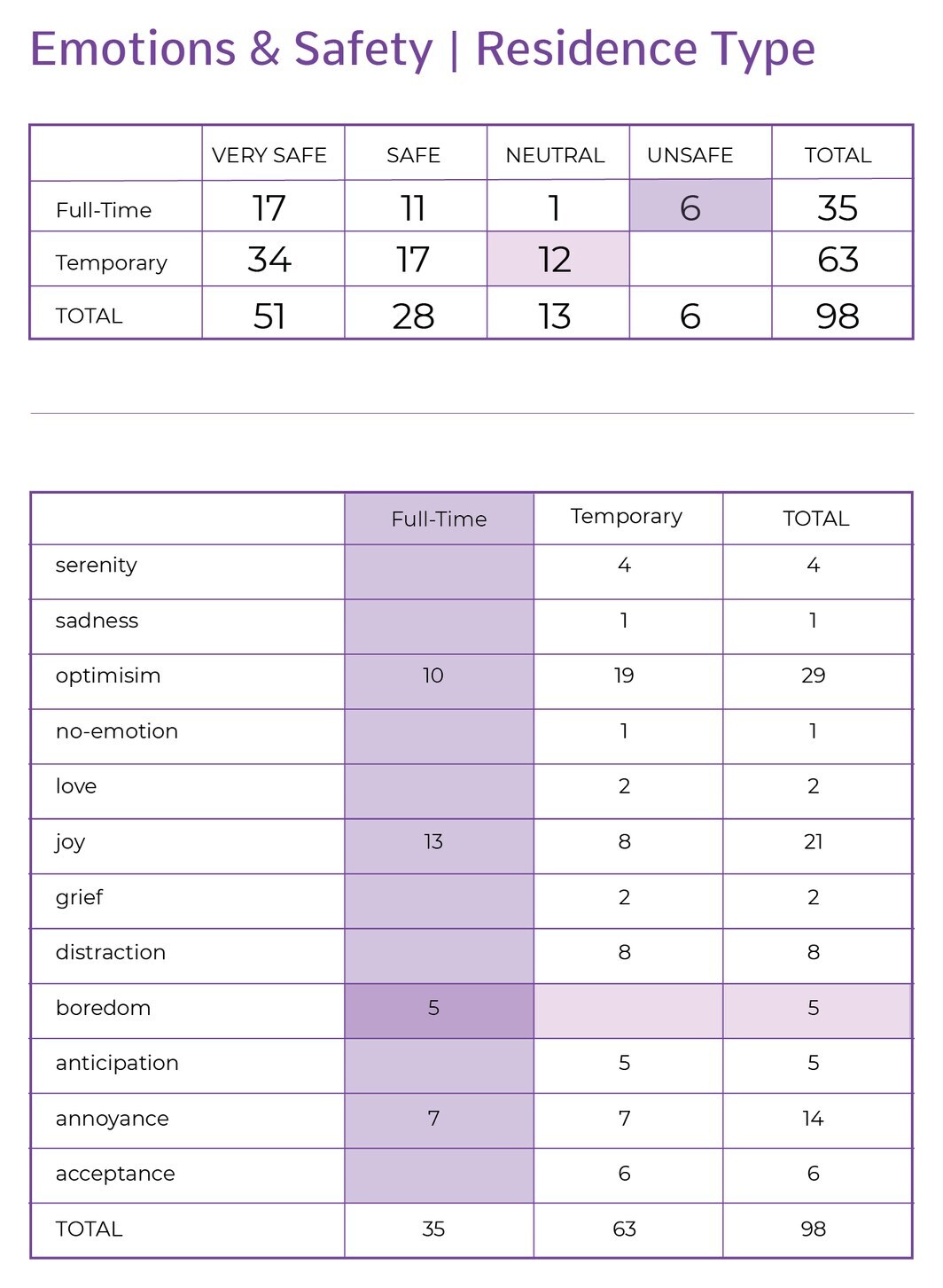
  • 6 of 6"unsafe" responses came from full-time residents. No temporary resident felt unsafe.
  • 4emotions covered all 35 answers from full-time residents: optimism, joy, boredom and annoyance.

Temporary residents felt a much wider range of emotions, and every "anticipation" came from them. People who live in the city for good know it better, and feel it more narrowly. Safety also turned out to be a perception: some people felt safe despite past concerns, and some felt unsafe without any.

Tables of safety answers split by gender: whether gender affects safety, whether people experienced safety concerns, and how safe they feel
Viewport G. Safety by gender.
Tables of emotions and safety by residence type, full-time versus temporary
Viewport H. Emotions and safety by residence type.

Design

From research to a design toolbox

The findings shaped a pilot design for Krakovo, one of Ljubljana's oldest neighbourhoods. Known as the city's garden on maps from the 16th century, it has been neglected recently. Instead of a fixed design, I proposed a toolbox of five steps, each turning something I found into something to design:

  1. Existing rhythm → movement
  2. Boundaries → informal space
  3. Local knowledge → surprise
  4. Research → process design
  5. Genius loci → context-specific design

The idea is a circular, participatory process: from object to process, from product to participation. That's the same loop I now use for digital products.

General notes

What it taught me

"Public space is not a static backdrop but a dynamic arena shaped by memory, rhythm, interaction, and design intent." From my thesis

This project is where architecture turned into product design for me. I had to plan a study, design an app people would open every day, keep them coming back, and then turn their answers into something a designer can act on. I'd do one thing differently now: recruit beyond my own circle, so the sample isn't mostly students.

Read the full thesis → ← Back to all sheets